Deadheading
The beauty of decay
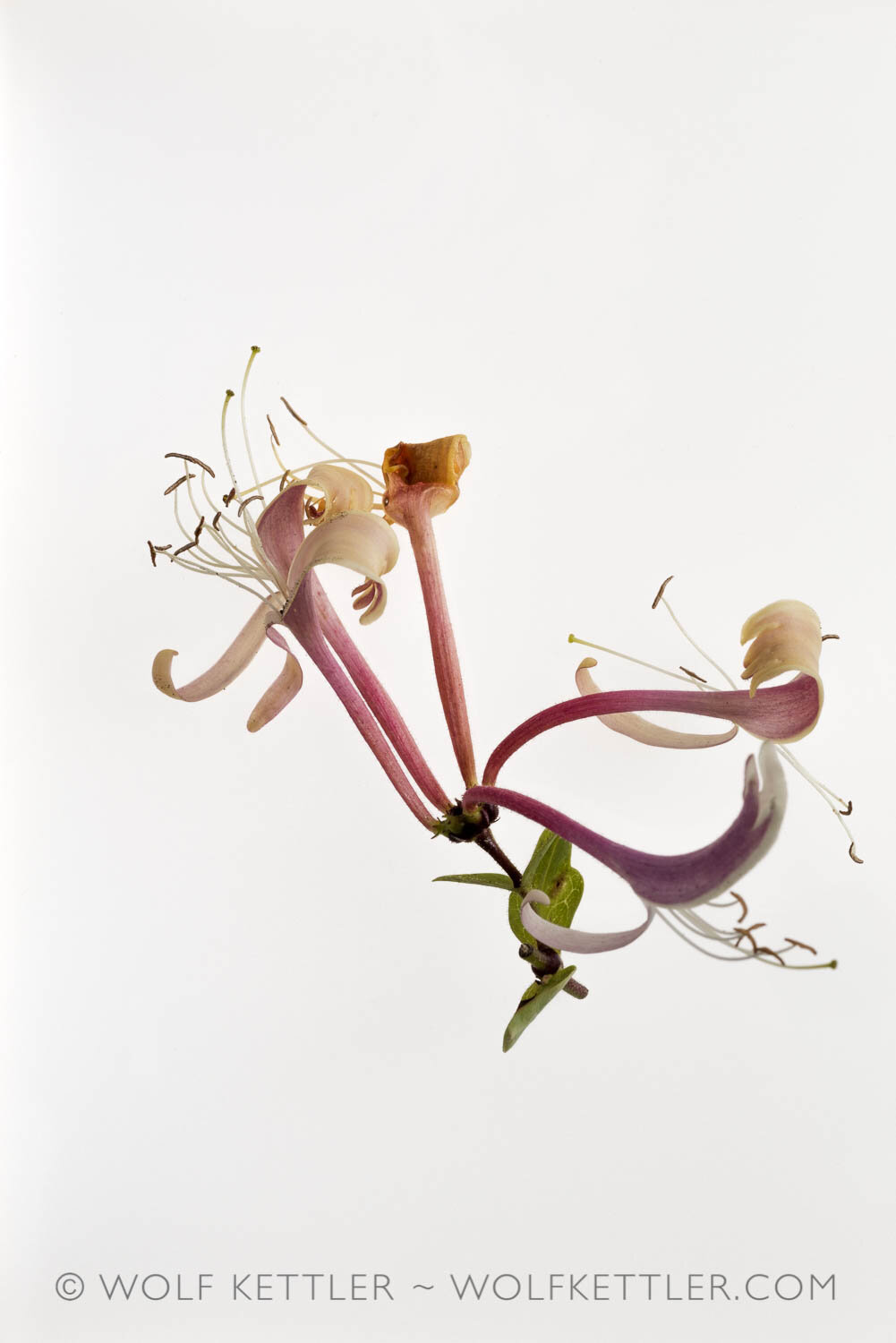
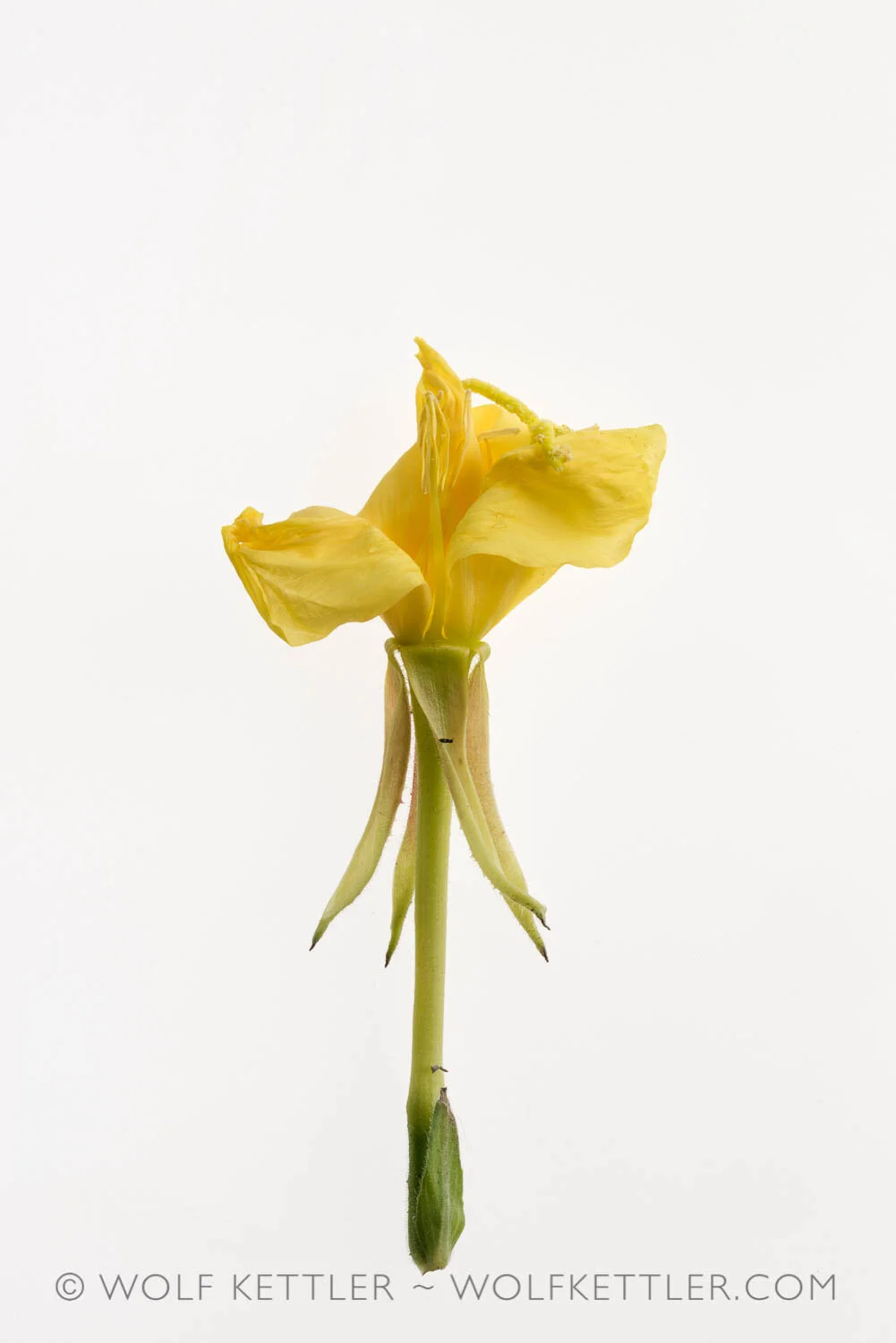
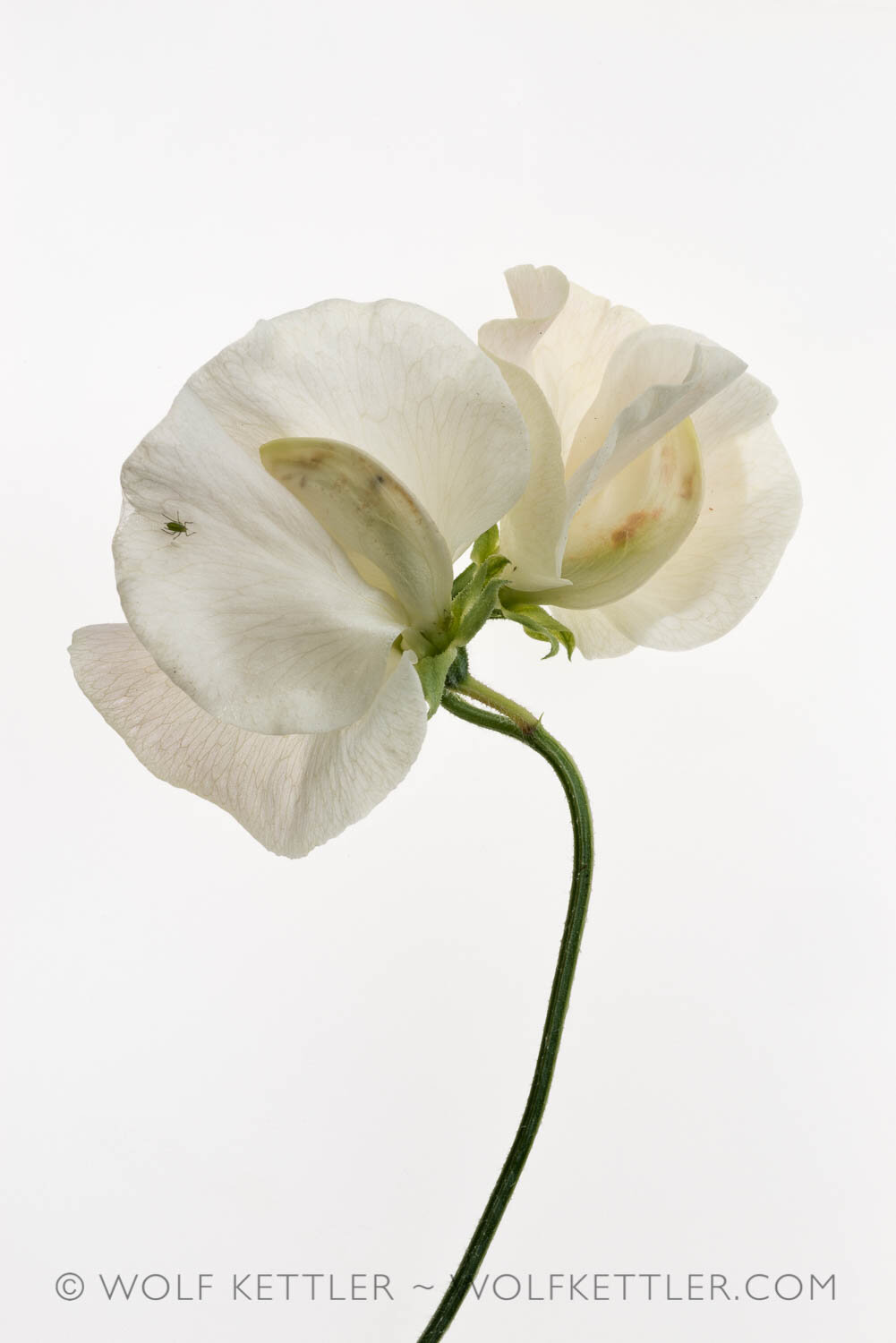
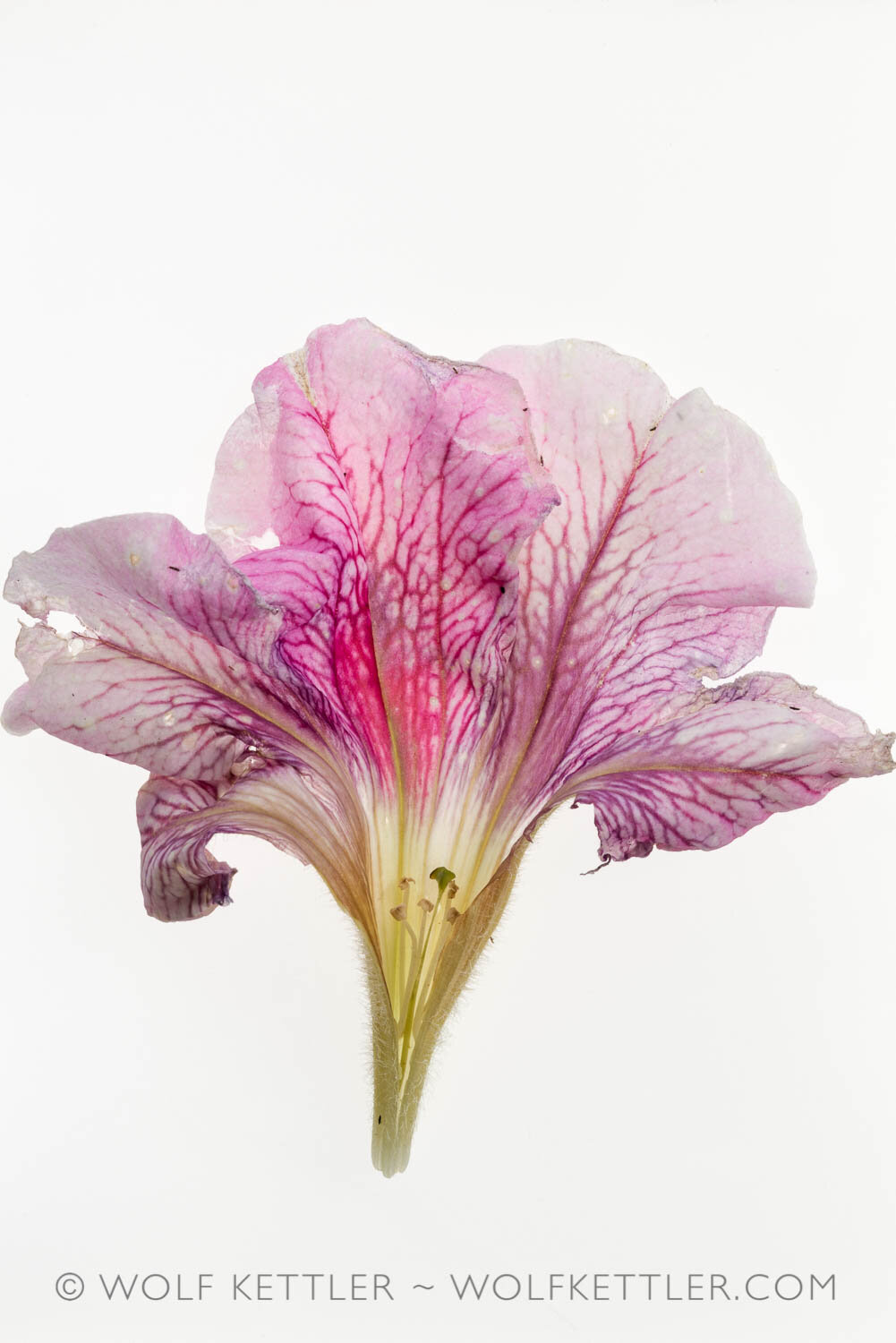
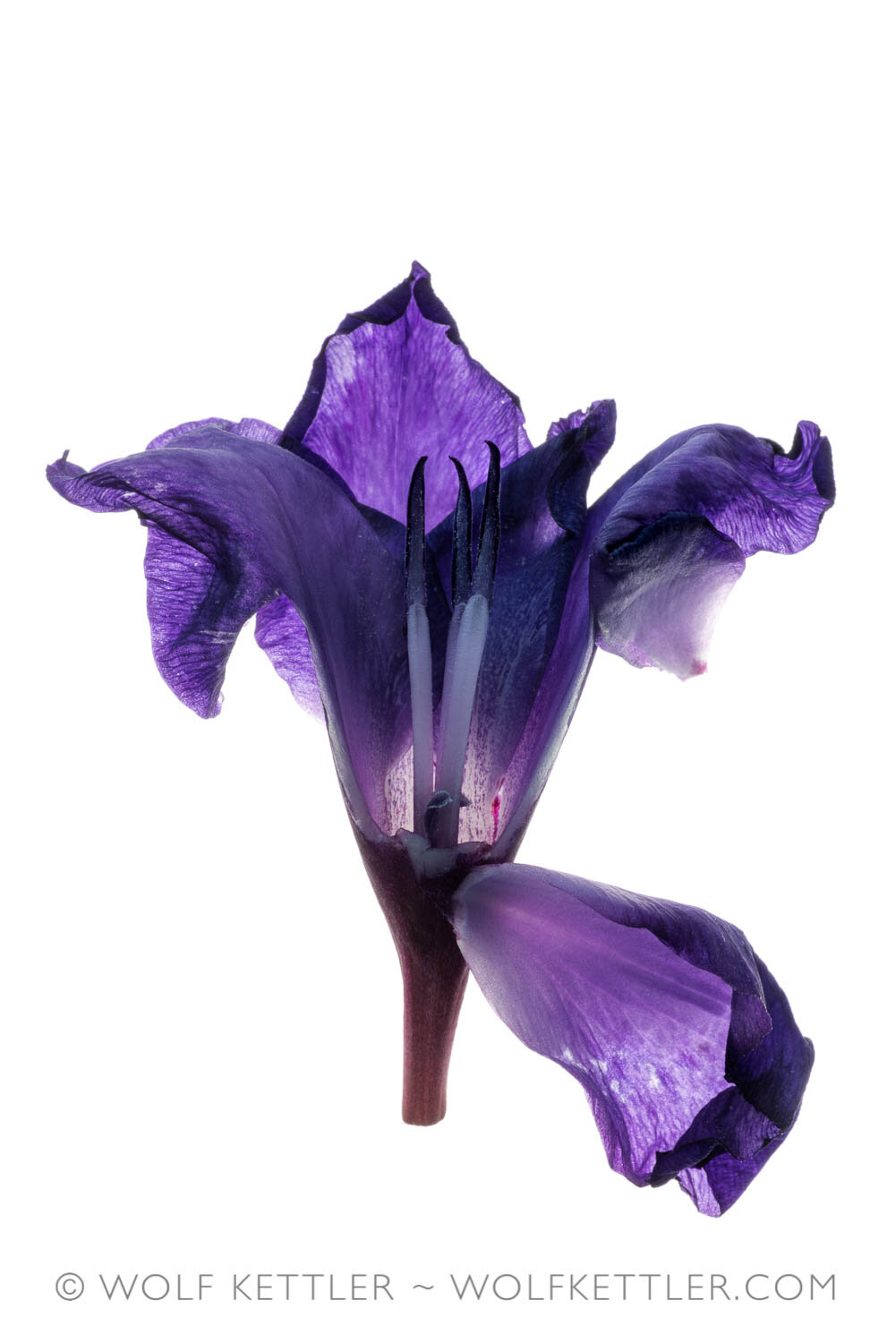
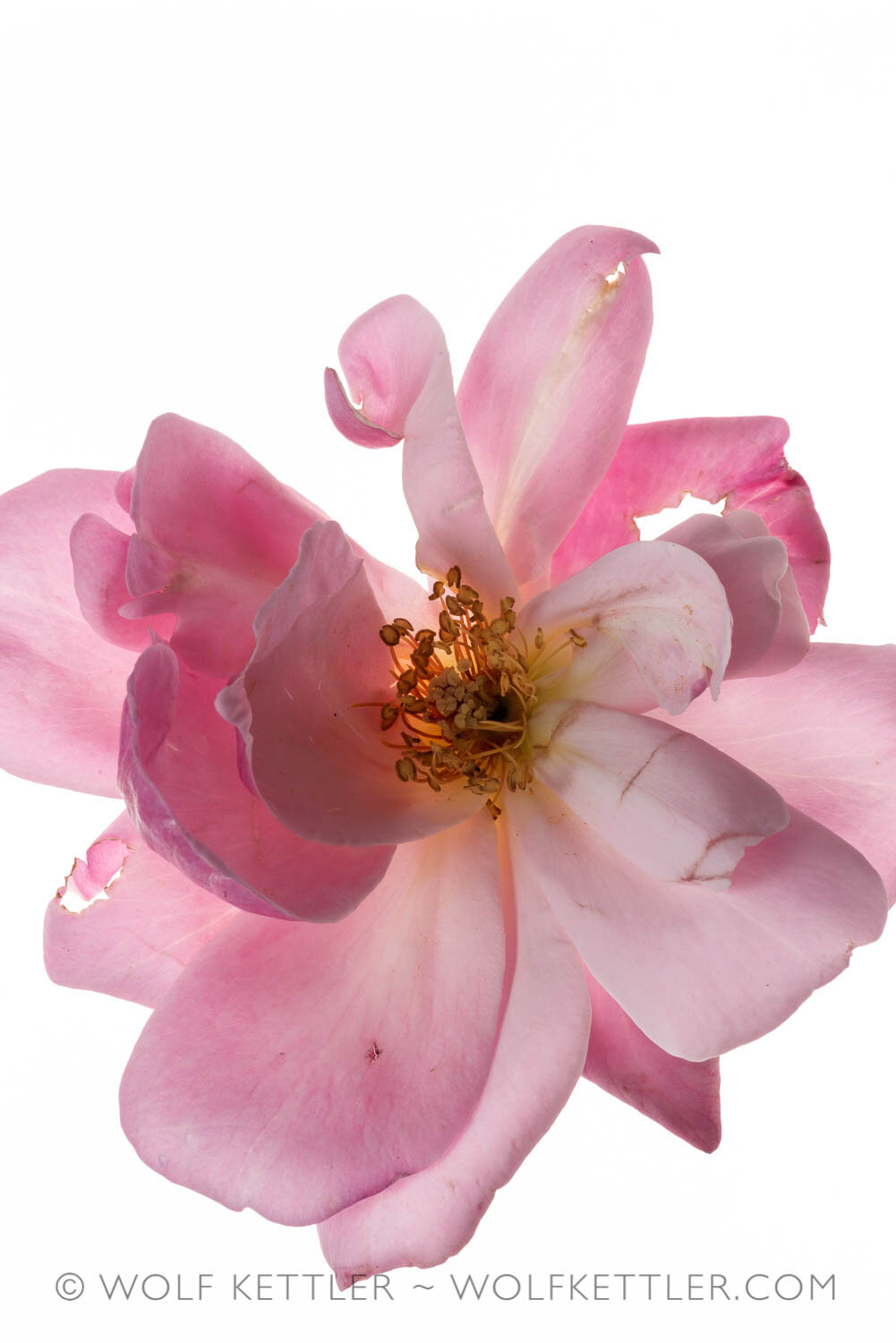
The series Deadheading documents the fragile and transient beauty of decay by recording one phase in the cycle of growth, prime, death and rebirth. What we may perceive as dead, untidy, undesirable and imperfect is, in fact, nature’s magnificence - principles deeply rooted in the traditional Japanese concept of Wabi-Sabi. Perfection as we understand it is an entirely artificial (i.e. human-made and therefore un-natural) concept.
Deadheading comments on the cycle of life, balance, renewal and our duty to do more to look after our planet.
The series consists of thirteen colour photographs. It was created in July and September to October 2020 in my studio using plants from our own garden. In each case, the photograph was made within minutes of deadheading. The photographs are not, as such, retouched. If there was a spot on a petal, I did not remove it. A speck of soil I kept, and if there was an insect, I left it and later resettled it in the garden.
A caring act
Deadheading is the gardener’s caring act of removing dead flowers from a plant before they set seed to encourage the plant to re-flower. This pleases the viewer’s senses but, much more importantly, creates more pollen and nectar for the wildlife, the pollinators.
If we wiped out the human species, nothing negative of any significance would happen. On the contrary. If we did the same to the insects, most life on earth would end.
Many plants (not all) respond to deadheading by re-flowering. Of the plants photographed, the poppy, for instance, and others would not normally require deadheading because their flowers would not re-grow.
In our garden, we stop deadheading some time in September because we want to have seedheads over the winter months - they are beautiful and very beneficial for the wildlife - and because we do not want our plants to flower themselves to death.
Signed Limited Edition Prints
Prints in a limited edition of six are available to buy. The prints are produced in-house by myself. They are numbered and hand-signed and come with a Certificate of Authenticity. For this edition I have chosen Awagami Kozo Thick White AIJP paper.
To buy prints, click on an image to enlarge it. On a desktop or laptop hover the pointer over the image to display the description and the buy this limited edition print link. On mobile devices, press the red dot on grey background in the bottom right corner of your screen.
Signed limited editions from the 'Deadheading' series are available exclusively through Saatchi Art.